
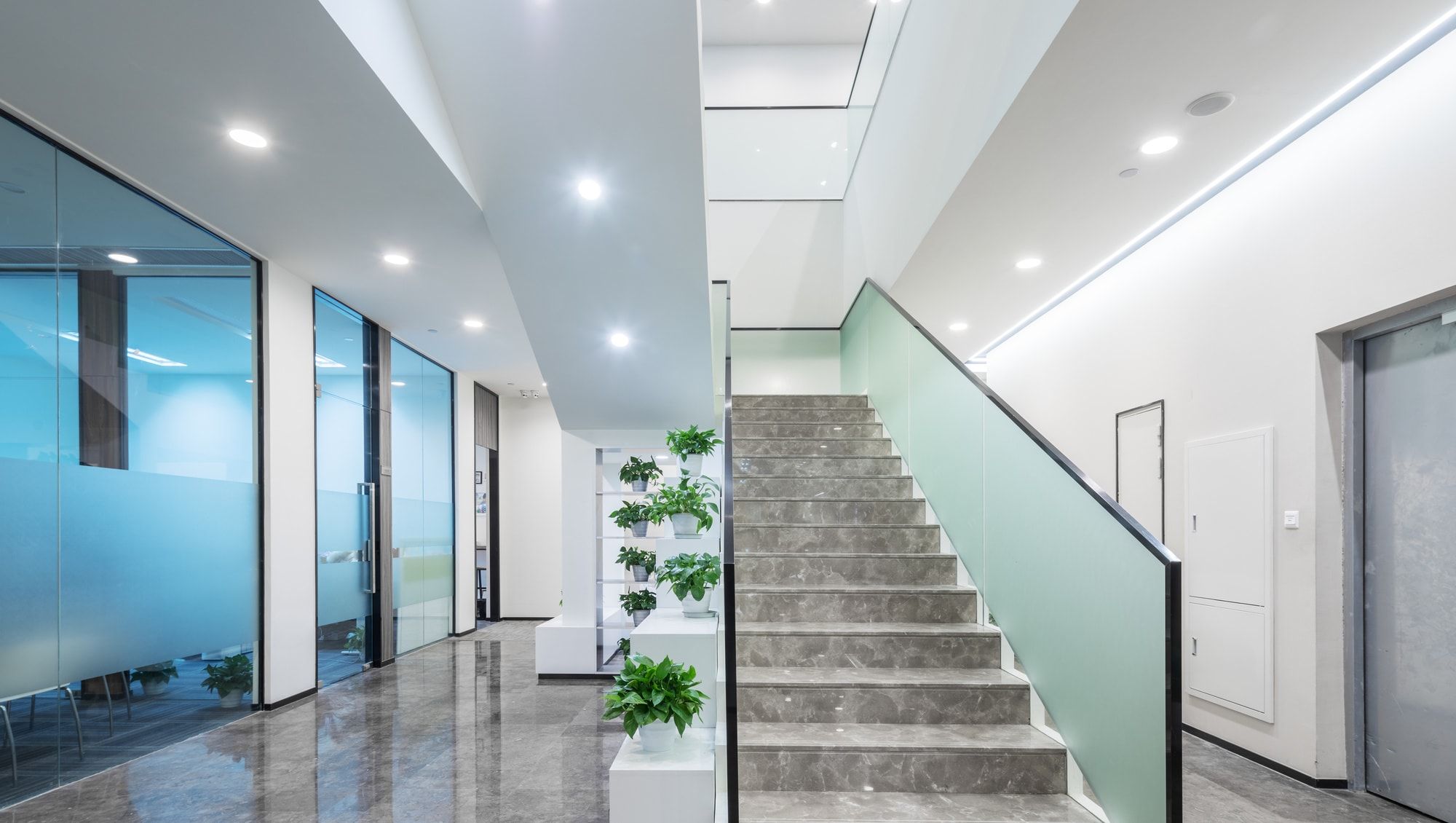
Commercial buildings around Sydney have changed quietly during the last few years, especially when it comes to lighting. Plenty of warehouses, office corridors, strata basements, and loading areas still run on tired fluorescent tubes, but those spaces feel strangely old now. The move toward commercial led lighting sydney property managers keep talking about has become hard to ignore. Rising electricity costs probably pushed the conversation faster than anything else. Once quarterly bills started climbing, lighting suddenly stopped being background infrastructure and became something owners actually paid attention to.
A name that keeps appearing in these discussions is Energy Warrior. Around Sydney strata circles, the company comes up in surprisingly casual conversations. Usually somebody mentions a car park feeling brighter after sensor LEDs were installed, or a building manager talks about fewer maintenance requests after replacing older fittings. Those practical stories seem to matter more than polished marketing lines anyway.
Why are Sydney businesses replacing fluorescent lighting now?
Part of it is obviously energy savings, but maintenance frustration matters just as much. Fluorescent systems seem to fail at the worst moments. Stairwell lights flicker for weeks before anybody reports them. Underground car parks end up looking dull and slightly unsafe. Some office corridors develop that annoying buzzing sound people pretend not to notice anymore. LED systems feel cleaner and more reliable, even if that sounds slightly vague.
Another thing that gets overlooked is how motion sensor technology changes the atmosphere inside commercial buildings. Hallways no longer stay fully lit all night when nobody is around. Basement lighting dims quietly until movement appears again. It sounds minor at first, though energy reports usually tell a different story after several months.
Does commercial LED lighting really save that much money?
Sometimes yes, sometimes not as dramatically as sales brochures suggest. Smaller offices may notice moderate savings, while larger strata complexes with constant lighting demand can reduce costs pretty heavily. One residential tower near the Sydney CBD reportedly replaced hundreds of fittings and saw maintenance requests drop almost immediately. Emergency battery replacements slowed down too, which probably mattered more than expected during budgeting meetings.
That seems to be where experienced contractors stand apart from cheaper operators. Large commercial environments expose weak fittings quickly. Damp parking garages, delivery corridors, garbage rooms, and fire stairs are rough on lighting hardware. Cheap products usually start showing problems earlier than promised, especially when sensors are poorly calibrated.
What makes motion sensor LEDs useful for strata buildings?
Shared spaces rarely need maximum brightness twenty four hours a day. Older systems wasted electricity constantly because lights stayed fully active whether somebody was present or not. Looking back, permanently illuminated basements now feel slightly ridiculous.
Sensor LEDs also improve visibility in awkward areas where fluorescent lighting struggled. Storage sections, utility corridors, service rooms, and stairwells generally feel brighter and cleaner after upgrades. Some residents prefer warmer tones while others like crisp white lighting, so opinions still vary a bit. That part never seems completely settled.
There is also less irritation from flickering delays. Anybody familiar with aging fluorescent tubes probably remembers waiting that awkward second for lights to properly switch on. LEDs remove most of that annoyance immediately, which sounds small until it disappears.
Is upgrading before complete failure actually worth it?
Probably yes, especially for older Sydney buildings still relying on infrastructure from the late nineties or early two thousands. Waiting until fittings fully fail usually creates rushed decisions and tighter budgets. Then cheaper hardware sneaks into projects because replacements suddenly become urgent instead of planned.
Lighting audits sound painfully boring at first, yet they often reveal strange inefficiencies. Some buildings have discovered sections running at full brightness during daylight hours. Others realize emergency systems consume far more electricity than expected. Once those details become visible, upgrading stops feeling optional and starts looking practical.
FAQS
How long do commercial LED fittings usually last?
Commercial grade LED fittings generally last much longer than fluorescent systems, especially in busy strata buildings operating every day. Quality still matters though. Cheap fittings can fail surprisingly fast in damp basements or heavily used corridors. Better products with proper warranties usually reduce recurring maintenance headaches significantly.
Can motion sensor lighting become annoying?
Sometimes during the first few weeks, mostly when sensitivity settings are poorly adjusted. Nobody enjoys lights activating too slowly inside stairwells. After calibration, complaints usually fade away. Well configured systems feel natural enough that residents eventually stop noticing the sensors altogether, which is probably the ideal outcome anyway.
Are LED lighting upgrades disruptive for commercial properties?
Usually less disruptive than expected. Most installations happen in stages, allowing residents, staff, and visitors to keep moving through buildings safely. Car parks and corridors may feel inconvenient temporarily, but experienced installers normally finish sections quickly. Hidden wiring problems tend to create bigger delays than the lighting itself.
Why are Sydney strata committees focusing on lighting upgrades lately?
Lighting runs constantly in many shared buildings, especially in basements, stairwells, and access corridors. Because of that, electricity costs slowly become difficult to ignore. Motion sensor LED systems reduce unnecessary usage without making spaces feel dark or uncomfortable, which explains why committees keep prioritizing these upgrades recently.